
5 Soft Skills We Help Develop for Long-Term Employment Success
When we talk about preparing someone for employment, it’s easy to focus on the task itself: how to fold towels, stock shelves, or assemble materials. But at Rolling Hills Progress Center, we’ve seen time and time again that what matters most—what really helps someone succeed long-term—isn’t just what they can do with their hands.
It’s the soft skills: how they show up, how they communicate, how they handle frustration, and how they build relationships.
These are the skills that create lasting success—not just in the workplace, but in every part of life.
And the truth is, they don’t come naturally for everyone. Especially for adults with developmental, physical, or mental disabilities, these skills often need to be taught intentionally, practiced daily, and reinforced with consistency and care.
That’s what we do at Rolling Hills. And it works.
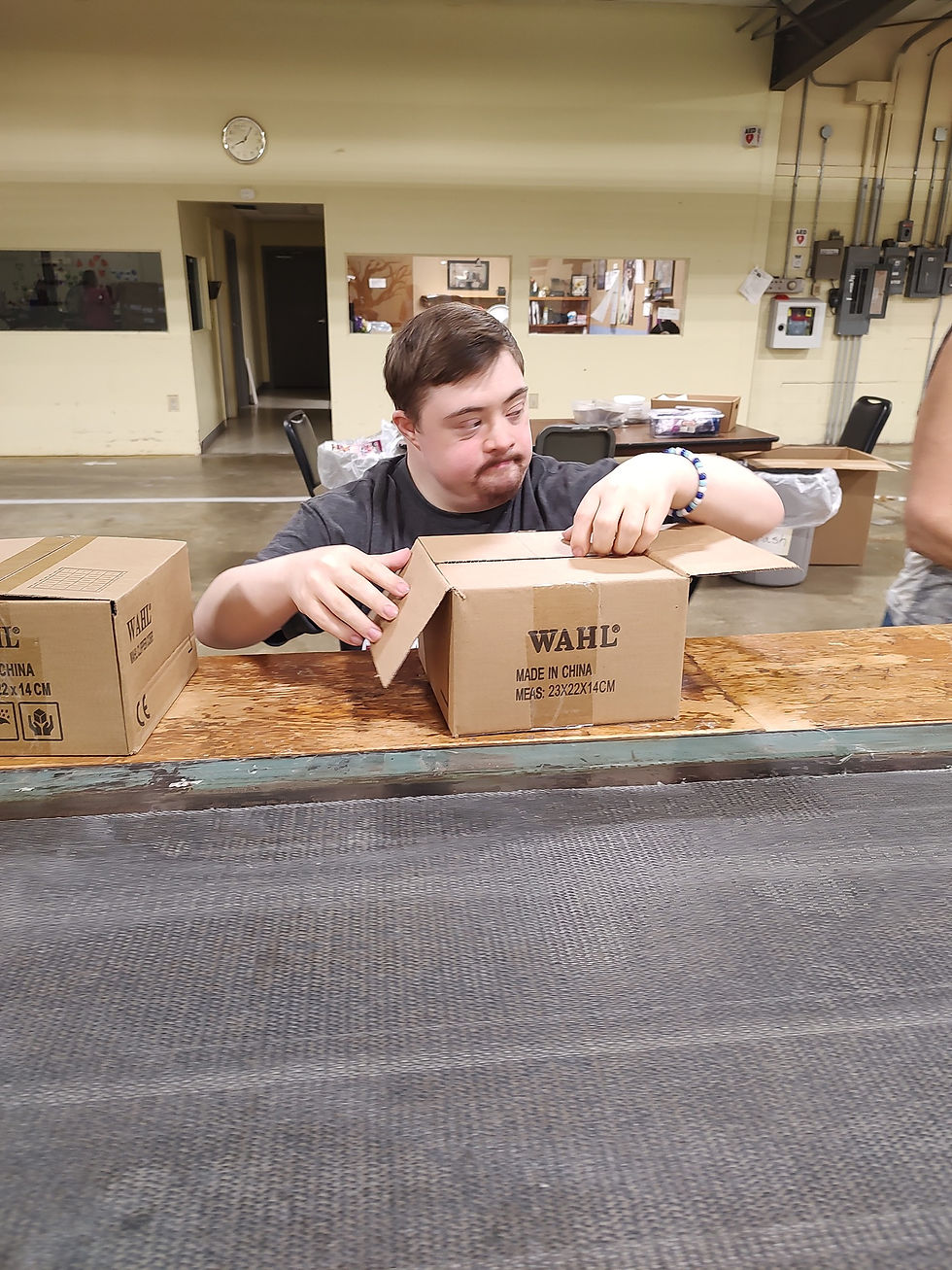
Why Soft Skills Make the Difference
We’ve worked with individuals who could master the mechanics of a job within days—but still struggled to hold onto that opportunity because they didn’t know how to speak up when they needed help, manage their emotions when things changed, or understand how to work on a team.
Soft skills help:
Build trust with supervisors and coworkers
Create structure and predictability during the day
Boost confidence and self-advocacy
Improve adaptability and resilience when things go wrong
Lead to longer-lasting employment and deeper community connection
That’s why our programs are built to develop not just job skills—but people skills.
The 5 Soft Skills We Focus On (and Why They Matter)
1. Communication
Whether it’s saying “good morning,” asking a question, or telling someone when something doesn’t feel right, communication is at the heart of every successful workday.
We help participants express themselves—verbally or nonverbally—so they feel heard, respected, and able to connect.
Why it matters: Workers who can communicate clearly build better relationships, reduce misunderstandings, and advocate for what they need.
2. Teamwork
Workplaces are shared spaces. Being able to collaborate, take turns, and respect each other’s pace or style is key.
We practice this daily through group projects, shared job roles, and problem-solving activities.
Why it matters: Team players are valued employees—and they often find more joy and confidence when they feel like part of something bigger than themselves.
3. Time Management
Knowing how to start on time, stay on task, and transition from one activity to the next can be hard for anyone—especially when routines change or distractions pop up.
We use visual schedules, timers, and personalized routines to help participants manage time in ways that work for them.
Why it matters: Employers value reliability. When someone learns how to manage their time, they build trust and stability into their workday.
4. Problem-Solving
What do you do when something doesn’t go as planned? We teach participants how to pause, think through solutions, and ask for help—rather than shutting down or panicking.
It’s not about perfection. It’s about practicing calm, constructive thinking in real situations.
Why it matters: Jobs come with challenges. Teaching people how to handle those moments empowers them to grow—and stay employed longer.
5. Self-Advocacy
This one is big. Many of the individuals we serve have gone through life being spoken for—not speaking up. We help them discover their voice.
That might mean asking for a different task, requesting a break, or simply saying “I don’t like that.”
Why it matters: When someone knows they have a right to be heard, and learns how to do it respectfully, they gain power over their experience—at work and everywhere else.
Real Growth, Real Confidence
We’ve watched participants go from needing constant prompts to leading their own routines. We’ve seen someone shy and withdrawn become a friendly, dependable coworker in a shared workspace. We’ve helped individuals who once avoided group activities become the ones welcoming others in.
That’s the power of soft skills.
It’s not just about keeping a job—it’s about feeling capable, feeling connected, and feeling proud.
And that’s what we’re here for.
FAQ: Soft Skills & Employment at Rolling Hills
Are soft skills taught daily at Rolling Hills? Yes. These skills are integrated into every part of our programming—whether someone is in job training, life skills development, or community outings.
What if my loved one is nonverbal? We tailor communication development to each individual’s needs and use visual tools, AAC devices, or gestures as needed.
How can families support soft skill growth at home? We offer tools and ideas for reinforcing skills outside our programs—such as using visual routines, practicing choice-making, or roleplaying social situations.
Do soft skills really help with employment? Absolutely. Employers consistently rank soft skills like communication, dependability, and adaptability as top traits in successful employees.


Comments